













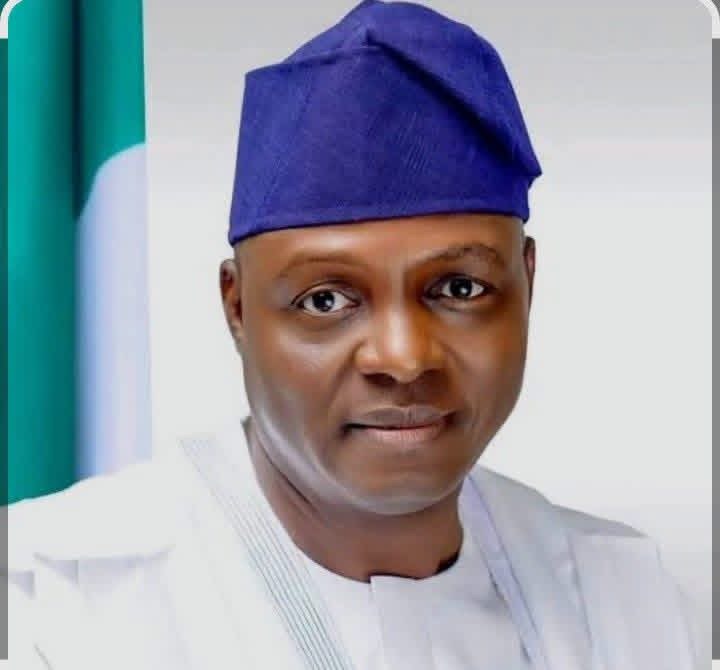
The National Chairman of the All Progressives Congress (APC), Professor Nentawe Yilwatda, has called on Nigerians to carefully consider the economic consequences of calls by former president Atiku Abubakar to return the country to the old fuel subsidy regime, warning that such a move could reverse hard-won gains from the ongoing economic reforms.
Specifically, his subsidy claim will return Nigerians to fuel queues, removal of the current minimum wage, cancellation of the education grants to Nigerian students among other negative consequences for the masses.
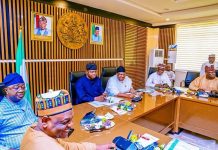
Professor Yilwatda made the call in Abuja while receiving a delegation of critical economic stakeholders who visited him to discuss the state of the Nigerian economy, ongoing reforms and the prospects for sustainable economic growth.
He said the debate over fuel subsidy should not be reduced to political rhetoric, but must be assessed against the experiences of the country under the previous regimes, particularly the enormous fiscal burden imposed on government and the consequences for states, workers, education and infrastructure development.
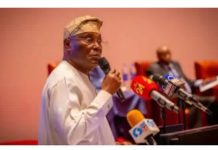
According to him, the former Vice President, Atiku Abubakar’s proposal to restore fuel subsidy raises fundamental questions about how such a policy would be financed and sustained without returning Nigeria to the cycle of fiscal pressures that characterised the previous arrangement.
“Subsidy may appear attractive because it promises cheaper petrol, but Nigerians must also ask the bigger question: who pays for the subsidy and what happens to the resources that government must divert to finance it?
“A policy cannot be judged only by its immediate benefit at the pump. We must examine its impact on government revenues, salaries, pensions, education, healthcare, infrastructure and the overall capacity of government to meet its obligations.
NTA news

