



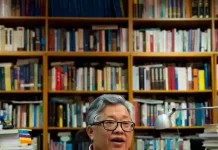





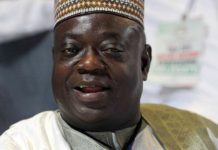




Chief Emeka Charles Kalu, a seasoned politician and power engineer, is a chieftain of the Labour Party (LP) and the President of Eck Foundation Worldwide. Dr Kalu, former aspirant to the Abia North Senatorial Seat and the Director-General, Global Initiatives for Good Governance (GIGG), in this interview with EJIKEME OMENAZU, speaks on the discovery of phantom federal agency, the xenophobic attacks and killings of Nigerians in South Africa, even as he touched other critical issues about the 2027 general elections. Excerpt:
What is your take on the discovery of a fake federal agency under the current administration?
The discovery of a fake federal agency is deeply troubling because it raises serious concerns about institutional oversight, accountability, and public trust. Regardless of when such an organisation came into existence, its existence points to weaknesses that must be addressed decisively. Government institutions should operate with transparency and proper regulatory supervision. I commend the relevant authorities for uncovering the matter, but it is equally important that a thorough investigation identifies everyone involved and ensures that such a situation never happens again.
What are some of the things that go on in your mind over the existence of a fake federal agency?
My greatest concern is the possibility that innocent Nigerians may have been deceived, financially exploited, or denied legitimate opportunities. It also raises questions about how public institutions interact and verify the authenticity of organisations claiming government authority. This should serve as a wake-up call to strengthen inter-agency coordination, improve verification systems, and increase public awareness so that citizens can easily distinguish legitimate government institutions from fraudulent ones.
How do you see the way the issues relating to the fake agency are being handled by the Presidency and security agencies?
The important thing is that the matter is investigated professionally, transparently, and without political interference. Nigerians deserve to know the facts, and anyone found culpable should face the full weight of the law, regardless of status or affiliation. The focus should not only be on punishment, but also on implementing reforms that prevent similar occurrences in the future.
If you were in the shoes of President Bola Tinubu, how would you have handled the issues relating to the fake agency?
If I were President Tinubu, I would immediately direct a comprehensive investigation involving all relevant security and anti-corruption agencies. I would also order a nationwide audit of government agencies to verify their legal status, operational mandates, and compliance with existing laws. Most importantly, I would ensure that the findings are made public and that those responsible are prosecuted where appropriate. Restoring public confidence requires openness, accountability, and institutional reform.
The Osun governorship election is around the corner. There are already reports of violence, attacks, killings, and destruction of political parties’ materials. What do these developments show about the coming election? How can this looming anarchy be averted?
Violence has no place in democracy. Reports of attacks and intimidation are unfortunate and should concern every Nigerian, regardless of political affiliation. Elections should be contests of ideas and performance, not fear and bloodshed. The security agencies, electoral authorities, political parties, traditional rulers, religious leaders, and civil society must work together to promote peace. Political leaders should caution their supporters against violence and accept that the will of the people must always prevail.
What are your fears as Nigerians get ready for the 2027 general elections?
My greatest concern is that political tension, misinformation, and divisive rhetoric could undermine public confidence in the electoral process. However, I remain optimistic because Nigerians are becoming more politically aware and increasingly demand accountability. I hope all stakeholders will prioritize national unity, peaceful participation, credible elections, and respect for democratic institutions.
Going by the crises in the major political parties arising from the primaries, how do you think the election proper will be?
Internal disagreements are common in democratic politics, especially after competitive primaries. What matters is how political parties manage those differences. Parties that promote fairness, internal democracy, and reconciliation will be better positioned in the general elections. Ultimately, Nigerians will judge candidates based on competence, credibility, integrity, and their vision for the country.
With the widely acclaimed excellent performance of Alex Otti as the Abia State governor, do you foresee an easy ride for him to his second term despite the strong opponents he will be facing?
No election should ever be taken for granted, but Governor Alex Otti goes into the race with a strong advantage because of his performance in office. Across Abia State, there are visible improvements in infrastructure, healthcare, education, and governance. The people can clearly see the difference between where the state was and where it is today. While the opposition has every right to contest, I believe the governor’s track record and the goodwill he enjoys among Abians will speak loudly at the polls.
With the Labour Party returning to near normalcy, how do you think the party will perform across the country in the general elections? What states, apart from Abia, do you think are its strongholds?
The Labour Party remains a significant political force because many Nigerians continue to identify with its message of accountability, good governance, and people-centered leadership.
If the party maintains unity, strengthens its grassroots structures, and presents credible candidates, it will remain competitive across the country. Apart from Abia State, the party has demonstrated considerable support in states such as Anambra, Enugu, Lagos, Plateau, Nasarawa, and parts of the Federal Capital Territory. Ultimately, the strength of the party will depend on organisation, effective campaigns, and voter mobilization.
As an Igbo political elite, how do you see the growing altercation between Peter Obi and actor-turned-politician Kenneth Okonkwo?
Political differences are normal in a democracy, but they should always be expressed with civility and mutual respect.
Both Peter Obi and Kenneth Okonkwo have contributed to national political discourse in different ways. I believe disagreements should be resolved through constructive dialogue rather than public exchanges that may divide supporters. At this critical stage of our national development, leaders should focus on strengthening democratic institutions and advancing ideas that improve the lives of Nigerians.
What shape do you think the 2027 politics is taking?
The 2027 elections are already shaping up to be highly competitive and issue-based. Nigerians are becoming more interested in performance, accountability, and leadership competence, rather than mere political rhetoric. Economic realities and governance outcomes will significantly influence voting patterns. I believe that candidates who can genuinely connect with the people and present practical solutions to their challenges will have the advantage.
Would you say women are getting more political relevance with the build-up to the 2027 general elections?
Yes, I believe women are becoming increasingly relevant in our political landscape, and this is a positive development. Women have consistently demonstrated leadership, resilience, and competence in various sectors. Political parties and society at large should continue to create opportunities that encourage greater female participation in governance and decision-making. Inclusive leadership strengthens democracy and promotes balanced development.
How do you see the allegations of government interference in the activities of the Independent National Electoral Commission (INEC) towards the 2027 elections?
The credibility of any election depends largely on the independence and impartiality of the electoral body. Allegations of interference should be thoroughly investigated, and every stakeholder must work to protect the integrity of the electoral process. Nigerians must have confidence that their votes will count. Strengthening our democratic institutions, ensuring transparency, and holding all actors accountable are essential to conducting free, fair, and credible elections in 2027.
Considering the suffering of Nigerians under the APC rule, do you still think that President Bola Tinubu and the party deserve another chance in 2027?
A popular adage says that he who wears the shoes knows where it pinches. This adage reflects the feelings of the majority of the citizens on the state of things in Nigeria. The people are in a position to decide whether the present government deserves a return in 2027 or not.
They should allow their current state of suffering, hunger, poverty, insecurity and abuse of their human rights to decide the right path ahead of the 2027 general elections. I only have one vote that counts, but the greater population of Nigerians whose families have been displaced in numerous terrorist attacks; those who could not afford three square meals daily; those parents who could not afford to pay their children’s school fees due to inflation; those whose lives were jeopardised in various public hospitals due to poor facilities and those under paid workers are in a better position to use their voter cards to decide who govern them in 2027. I think I have done justice to your question.
As a widely travelled international Nigerian businessman with interests in several countries, what are your thoughts on the xenophobic attacks and killings of Nigerians in South Africa and the way the Nigerian Government is handling the issues?
The recurring xenophobic attacks against Nigerians and other African nationals in South Africa are deeply unfortunate and unacceptable. Every human life is valuable, and no one should be targeted because of nationality.
The governments of Nigeria and South Africa should continue diplomatic engagement while ensuring that perpetrators of violence are held accountable. The Nigerian Government should also strengthen consular support, provide timely assistance to affected citizens, and continue working with South African authorities to guarantee the safety and rights of Nigerians living and conducting legitimate businesses there. African nations must promote unity, mutual respect, and economic cooperation rather than allowing violence and hostility to undermine the vision of African integration.
Arise news

