












The pledge by former Vice President Atiku Abubakar, the African Democratic Congress (ADC) presidential Candidate for 2027, to restore the fuel subsidy if elected has reignited one of Nigeria’s most contentious economic debates, with analysts warning that the promise risks becoming a campaign slogan rather than a coherent policy.
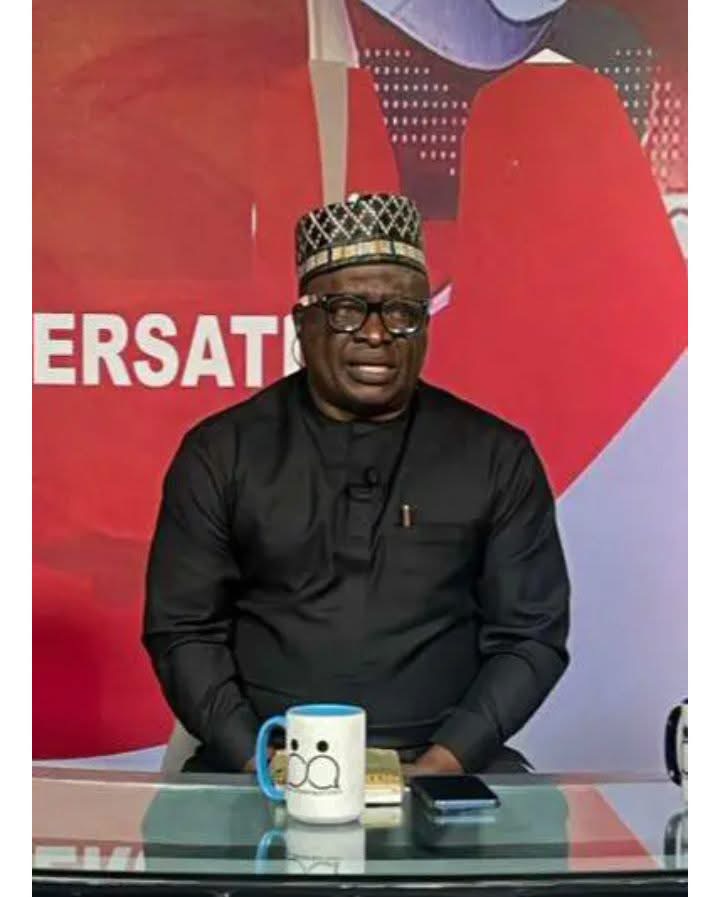
Speaking on The Conversation during a discussion on “2027 – Nigerian Economy and the Fuel Subsidy Factor,” Journalist and Policy Development Analyst ,Martins Morgan (PhD) said the proposal must be interrogated against the realities that forced the subsidy’s removal under President Bola Tinubu. This decision triggered sharp increases in transportation costs, inflation and the general cost of living. Morgan argued that the more important question is not whether the subsidy should be restored but how, when, and through what process it was removed, particularly as Nigerians were promised that savings would be channeled into healthcare, roads, and other social infrastructure they have yet to see.
According to Morgan (PhD), the former subsidy regime was riddled with corruption, inflated fuel consumption figures, and abuses for which no meaningful sanctions have been imposed, leaving Nigerians waiting for accountability. He noted that while the Government points to macroeconomic gains and savings from the removal, claims echoed by institutions such as the IMF, which has projected lower inflation and potential growth, ordinary households are experiencing the opposite: deepening poverty, currency depreciation, and a sharp erosion of purchasing power.
Morgan ( PhD) illustrated this with the minimum wage, arguing that despite nominal increases, workers now earn far less in real terms, while a family of six struggles to meet basic needs such as food, healthcare, and transport. Government interventions such as the CNG bus initiative, he added, have not delivered the promised relief on transportation costs, and even where infrastructure exists, poor maintenance threatens its sustainability.
On the path forward, Morgan (PhD) outlined three broad options open to the Country: restoring the subsidy, allowing market forces to determine prices, or building sufficient domestic refining capacity to achieve what he described as “petroleum sovereignty,” producing enough refined fuel locally to meet demand and eventually export the surplus.
He stressed that any subsidy debate must reckon with the condition and management of Nigeria’s Refineries, urging government to undertake a proper cost-benefit and impact assessment before choosing between rehabilitating existing facilities or replacing them. Improved local refining, he argued, would create jobs and reduce costs across transportation, manufacturing and agriculture, with ripple effects on food security and inflation.
Morgan (PhD) also cautioned that policies must reach Nigerians outside formal employment who never benefit directly from minimum wage adjustments, and that the government must improve oversight to ensure funds passed to states and local governments actually reach their intended beneficiaries.
As the 2027 campaign gathers momentum, he said, the subsidy question is set to become a defining economic policy issue. Still, candidates, including Atiku, owe voters specifics: whether they would restore the subsidy, how they would fix the refineries and how they would translate macroeconomic improvement into tangible improvements in household living standards. Until then, he concluded, promises to bring back the subsidy will be judged less as economics and more as electioneering.
Arise news

