

















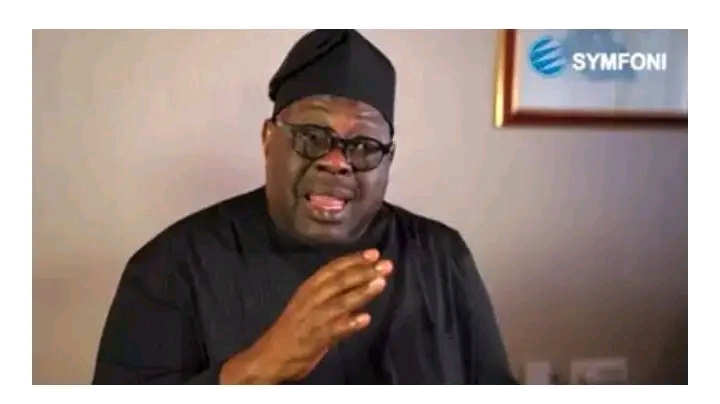
Former presidential aspirant and publisher of Ovation International, Dele Momodu, has stated that political influence is never permanent, arguing that even the most powerful figures eventually experience a decline in their authority and relevance.
Momodu made the remarks during an interview on Symfoni while discussing Nigeria’s political landscape, leadership transitions, and the changing fortunes of public office holders.
Using the Minister of the Federal Capital Territory, Nyesom Wike, as an example, the veteran journalist suggested that no politician remains at the peak of power indefinitely. According to him, Nigerian political history is filled with examples of individuals who once appeared untouchable but later found themselves out of power and seeking reconciliation with former rivals.
Speaking on the issue, Momodu said, “The same way Wike is larger than life today one day you will see Wike begging all his enemies.”
He argued that politicians should understand the temporary nature of authority and avoid assuming that their current influence will last forever. According to him, many leaders who once commanded enormous political power eventually faced a different reality after leaving office.
Momodu further revealed that he felt sympathy for Wike, whom he described as a former friend, because he believed the minister had become overly confident in the durability of his political standing.
Emphasizing his point, he added, “Does this man know the nature of power? It is a very temporary thing.”
The media entrepreneur noted that political history, both in Nigeria and elsewhere, demonstrates how quickly circumstances can change for those in positions of authority. He observed that several prominent leaders who once dominated national conversations eventually faded from public prominence after their tenure in office ended.
According to Momodu, democracy is structured in a way that ensures leadership changes over time, making it important for politicians to remain humble and maintain cordial relationships with others, regardless of political differences.
He concluded by stressing that today’s influential figures could become ordinary citizens tomorrow, urging political leaders to exercise humility, respect their opponents, and remember that power is often short-lived.
Arise News

