





















Oil and gas production in the Gulf of Mexico has already been affected by the approaching hurricane, which has strengthened so far to Category 2.

Hurricane Isaias is expected to make landfall over the US Gulf Coast, the US National Hurricane Center (NHC) said on Friday. The storm’s approach coud disrupt oil and gas production.
Isaias has been forecasted to cross the coast in either Florida, Alabama or Mississippi on Friday night or early Saturday.
Mandatory evacuation orders were issued for coastal areas in four counties in northeastern Florida, while states of emergency are in place in parts of neighboring Alabama and Georgia.
“Isaias will be a dangerous hurricane with significant storm surge, damaging winds, and flooding rains when it reaches the northern Gulf Coast,” the NHC said.
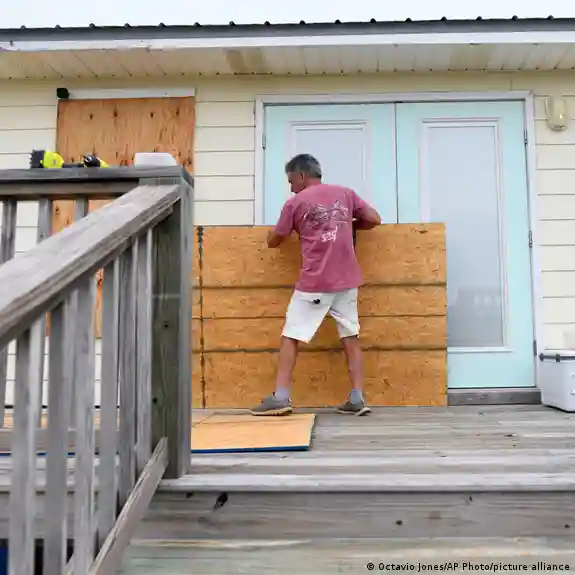
The NHC urged residents that emergency preparations to protect lives and property from high winds and storm surges “should be rushed to completion.”
First Atlantic hurricane this year
Isaias has strengthened to a Category 2 storm over the Gulf of Mexico, some 230 miles (370 kilometers) south of the Mississippi River delta, packing maximum sustained winds of 105 mph (165 kph).
The hurricane is the very first to develop in the Atlantic this season, which began June 1.
The remarkably quiet hurricane season was caused partly due to a strong El Nino weather phenomenon. It causes strong vertical wind shear — dry air and sinking air over the Atlantic Ocean —, hampering storm formation and intensification in the area.
US Department of Homeland Security Secretary Markwayne Mullin said federal authorities would coordinate response efforts with state and local governments.
“To everyone in the storm’s path: ask that you also do your part to stand ready. Now is the time to prepare,” Mullin said on X.

Storm impacts oil and gas production
The path of the storm covers some important industry points of oil and gas production in the Gulf of Mexico. As a result, platforms and rigs were already evacuated.
Some 63% of the oil production in the region has been temporarily suspended, taking nearly 1.3 million barrels a day off the market, according to the Marine Minerals Administration (MMA).
Similarly, some 57% of gas production has also been suspended, the MMA said.
Offshore production in the Gulf accounts for almost 15% of crude pumped annually in the US.
Hurricane Simon heads for Pacific
Meanwhile, the Pacific Ocean has been affected differently by the El Nino phenomenon.
El Nino’s effect has left little vertical wind shear over the Pacific, creating favorable conditions for hurricanes to intensify. This has caused this year’s Pacific hurricane season to be more severe than usual.
Hurricane Simon is currently moving toward Mexico’s Pacific coast, with maximum sustained winds of 90 mph, the NHC said.
The storm has reached Category 1 and has been forecasted to reach Jalisco state, where the popular tourist resort of Puerto Vallarta is located, on Friday night or early Saturday, the NHC says.
“Rapid intensification is expected to continue, and Simon is expected to be a very dangerous major hurricane when it approaches the coast of Mexico,” the NHC said.
Edited by: Natalie Muller
DW News

