





















The National Drug Law Enforcement Agency (NDLEA) has called for a strong national response and sustained support for the alternative development programme to curb illicit cannabis cultivation, uplift rural communities and strengthen national security.
The agency said the concept goes beyond crop substitution, bringing wider benefits such as strengthening rural economies through value-chain development, reducing pressure on law enforcement and the justice system, and promoting peace and social cohesion in previously crime-prone areas.
Other benefits, the agency added, include supporting national food production and agricultural diversification, as well as improving Nigeria’s international standing in global drug control and development cooperation.
The Chairman and Chief Executive Officer of the NDLEA, Brig Gen Mohamed Buba Marwa (rtd), stated this at a media briefing to drum up support for the drug control initiative, whose pilot scheme was recently launched in three cannabis-growing communities in Ondo State.
He said: “This approach represents a win-win solution — for communities, for government and for national security. The successful take-off of the pilot scheme in Ilu Abo, Ifon and Eleyewo in Ondo State last week clearly demonstrates that alternative development works when communities are engaged, supported and empowered.” The chairman called for a strong national response and sustained support from all stakeholders across all layers of government, traditional rulers and community leaders, development partners and donor agencies, the private sector and agricultural value-chain actors, as well as civil society organisations and the media. Let me reiterate that the alternative development programme is not just a drug control initiative; it is a people-centred development intervention designed to uplift communities, strengthen national security and secure Nigeria’s future,” he said.
Marwa assured that the agency “remains fully committed to expanding this programme nationwide, in partnership with all stakeholders, as we collectively build a safer, healthier and more prosperous Nigeria in alignment with the renewed hope agenda of the Tinubu administration.”
He disclosed that cannabis is not a marginal issue in Nigeria but the most frequently used and widely available illicit drug in the country, with an estimated 10.6 million adults — more than one in every ten Nigerians in their prime — reported to have used cannabis in the past year, far exceeding the use of other drugs.
Field assessments focusing on high-risk areas in the South-West reveal that nearly 8,900 hectares of land are under cannabis cultivation, often hidden deep within forests and remote regions. These illicit farms are clustered and interconnected, suggesting organised networks that not only supply domestic demand but also facilitate trafficking beyond Nigeria’s borders,” he added.
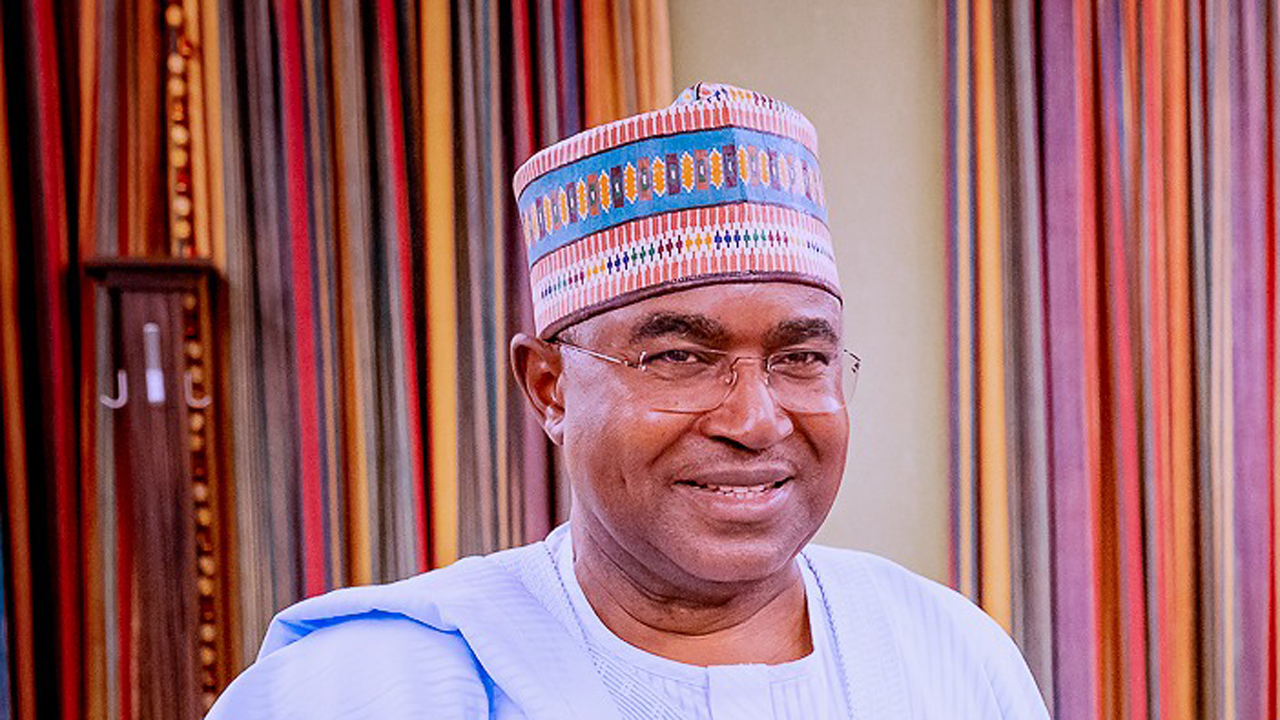
Caption: Marwa
The severity of the problem, he said, goes beyond consumption to widespread cultivation and organised production.
THE GUARDIAN

