


















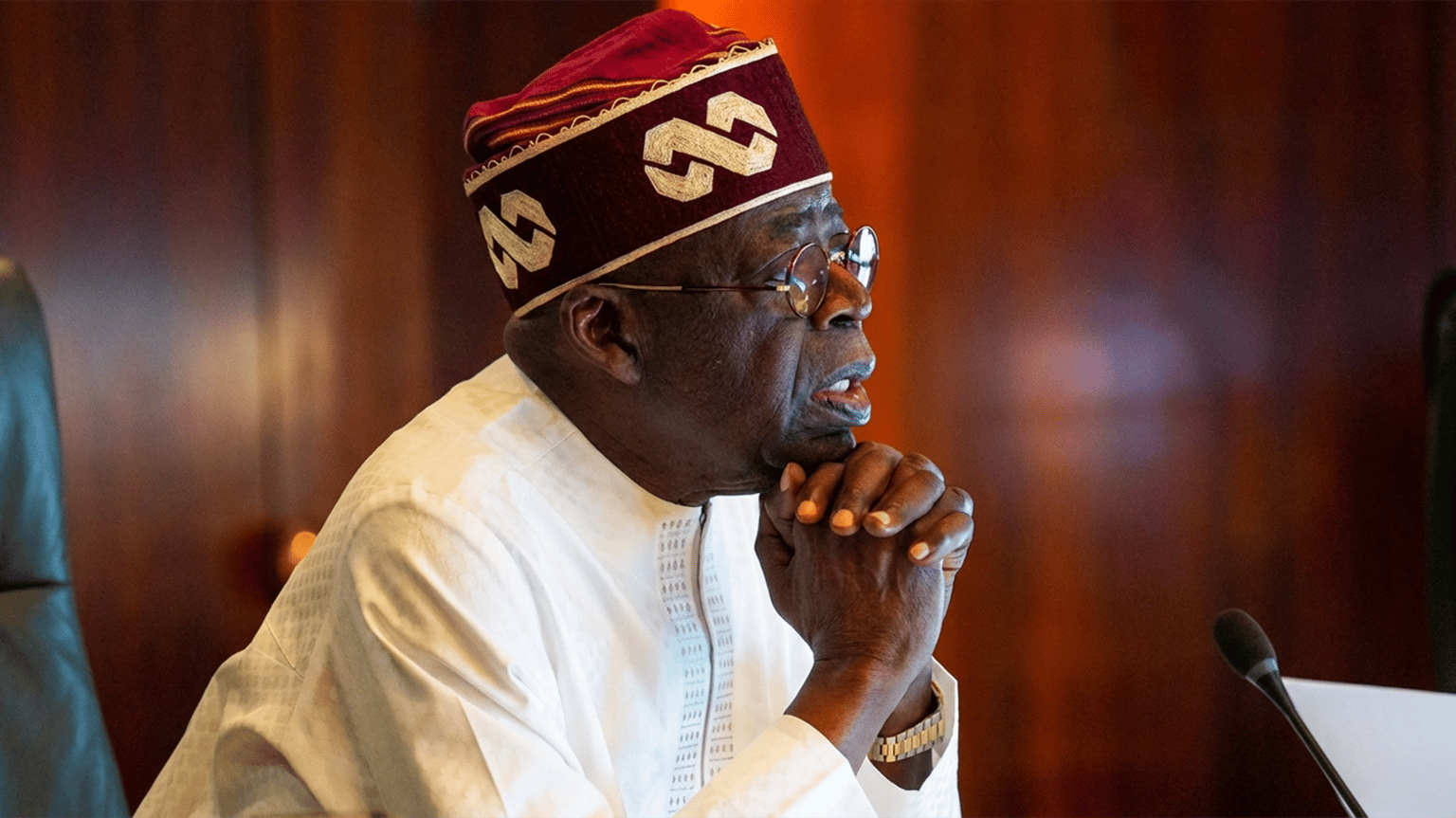
The Senate Committee on Finance has commended President Bola Ahmed Tinubu for launching Nigeria’s National Halal Economy Strategy, describing it as a bold and strategic move to position the country within the global halal market estimated at $7.7 trillion.
In a statement signed by its Chairman, Senator Sani Musa, the committee said the initiative was timely and aligned with global best practices, noting that several countries—including the United Kingdom, Canada, Australia, Malaysia, Indonesia, Saudi Arabia, the United Arab Emirates, Turkey, Brazil, Thailand, and Singapore—have successfully leveraged halal frameworks to boost manufacturing, agricultural exports, financial services, and foreign investment.
The committee identified Nigeria’s vast agricultural resources, large domestic market, youthful population, expanding manufacturing base, and growing services sector as strong fundamentals that could drive success in the halal economy.
According to the statement, the strategy aligns with the Tinubu administration’s broader economic reform agenda, particularly efforts to diversify exports, grow non-oil revenue, create jobs, support small and medium-sized enterprises (SMEs), and boost foreign exchange earnings.
President Tinubu, represented by Vice President Kashim Shettima, officially unveiled the strategy on Thursday, February 6, 2026, at the Presidential Villa, Abuja. The framework was developed in partnership with Saudi Arabia’s Halal Products Development Company (HPDC), following a bilateral agreement signed in February 2025 at the Makkah Halal Forum. It is designed to strengthen quality standards, certification systems, and competitiveness across key sectors including food and beverages, pharmaceuticals, cosmetics, tourism, and ethical finance.
The Senate committee described the strategy as inclusive, market-driven, and globally focused, while respecting Nigeria’s diverse and pluralistic society.
It projected that the initiative could add about $1.5 billion to Nigeria’s GDP by 2027 and unlock billions of dollars in domestic value over the next decade through increased exports, investment inflows, and industrial growth.
Senator Musa assured that the National Assembly would provide full legislative backing, effective oversight, and regulatory support to ensure successful implementation and long-term fiscal sustainability.
“This decisive step reinforces Nigeria’s readiness to adopt proven international models, unlock new economic frontiers, and establish itself as a competitive player in the evolving global economy,” the statement concluded.
The guardian

