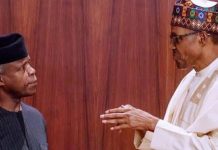











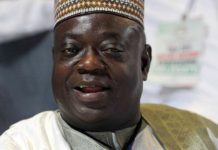




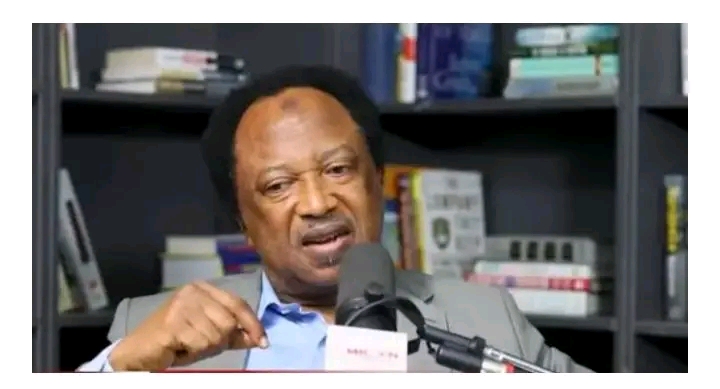
Former federal lawmaker Senator Shehu Sani has provided a stark assessment of the current administration’s economic direction, characterizing President Bola Ahmed Tinubu’s policy decisions as a high-stakes gamble between national stability and individual political survival.
Speaking during a follow-up segment of the Mic On Podcast, Sani addressed the intensifying debate regarding the social and political costs of the government’s reform agenda. The discussion centered on whether the administration’s current trajectory poses an existential threat to the President’s political future.
Sani acknowledged the gravity of the current path, stating, “So for me, I have seen that Tinubu has taken a path which is not going to be easy.” When questioned directly on whether these decisions are “haunting” the President and could lead to an electoral defeat, Sani framed the situation as a fundamental conflict of interest.
He suggested that the presidency is currently navigating a choice that pits long-term national viability against the traditional desire for political longevity. “Well, the choice he has is between the future of Nigeria and his own personal political ambition,” Sani replied.
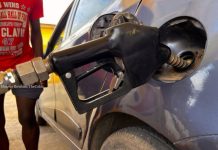
Central to this tension is the elimination of the petrol subsidy, a move Sani identified as a departure from the cautious approach of previous leaders. He noted that the scale of the financial burden necessitated a drastic shift, despite the immediate hardship it has imposed on the Nigerian populace.
He said, “For example, one painful decision which no president has ever dared to attempt to take was the removal of subsidy. And because almost every Nigerian benefits from a subsidized petroleum product because what you are buying is not actually the price of it. In the sense that first millions, then billions, then trillions, then we have to borrow money to pay subsidy.”
Sani highlighted the abrupt nature of this economic transition, describing a sudden shift for a population that had grown accustomed to state-supported fuel pricing for decades. The removal of this support system, he argued, has fundamentally altered the daily lives of citizens across the country.
“And then within the snap of a finger, the subsidy was withdrawn. And now people who have for generations been living under the sustenance of subsidy system now have to live without it,” he added.
DAILY POST

