

















A new agreement aims to tackle the drug shortages that have plagued the bloc. Among other things, it would make it easier to use public funds to support the production of essential medicines.
European Union negotiators on Tuesday reached an agreement on rules that aim to bolster the bloc’s supply chains for essential medicines and reduce its dependence on drug manufacturers outside the bloc.
The rules aim to combat the drug shortages that have occasionally affected the bloc in the past few years, where pharmacies have run low on certain medicines, including painkillers, antibiotics and fever medicine for children.
What has the EU said of the medicines agreement?
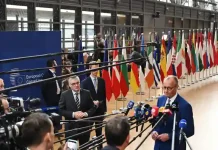
“With today’s agreement, we are taking practical action to reduce our vulnerabilities, diversify supply chains and strengthen Europe’s capacity to produce critical medicines and their ingredients closer to home,” said Cypriot Health Minister Neophytos Charalambides, whose country currently holds the rotating EU Council presidency.
Charalambides said that people should no longer have to be worried about whether they could obtain essential medicines from their pharmacy or hospital.
The agreed rules aim, among other things, to make it easier to use public funding to support the production of such medicines.
How will the rules on essential medicines work?
The new rules, which still require approval from EU member states and the European Parliament, foresee giving priority to medicines manufactured in Europe in cases of public procurement.
So-called strategic projects would also receive faster approval and more rapid access to funding.
The rules would also allow several countries to join together to buy important medicines, particularly those used to treat rare illnesses — an area where the market is deficient, according to the European Commission.
Why have there been drug shortages in the EU?
The Commission, which suggested amending the rules in 2025, has identified several reasons why vital medicines have at times run short in the bloc.
Among other things, it has cited bottlenecks in the supply of active ingredients.
In addition — as became particularly apparent during the coronavirus pandemic in the early 2020s — the fact that production of some medicines is concentrated in a very small number of countries can pose supply problems, it said.
EU health ministers said last year that some 80% to 90% of medicaments used in Europe come from Asia, above all China.
This is although some 900,000 people are employed in the pharmaceutical sector in the EU, according to the Commission.
Edited by: Rana Taha
DW News

