













The court dismissed Yoon’s appeals, saying there was no misunderstanding of any legal interpretations in the rulings.
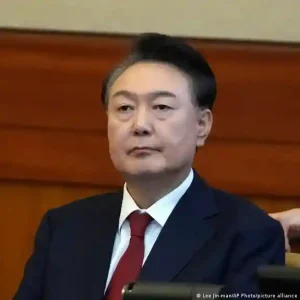
South Korea’s Supreme Court on Thursday upheld the seven-year prison sentence handed to former President Yoon Suk Yeol for crimes tied to the botched 2024 martial law declaration and subsequent chaos.
“All appeals are dismissed,” a top court judge said in a televised ruling, adding there was no misunderstanding of any legal interpretations in the previous court’s ruling.
Yoon’s legal team expressed “deep regret” on the decision and claimed the Supreme Court concluded the case “without sufficient deliberation”.
“We will challenge the constitutionality of this Ruling through constitutional review procedures, including a constitutional complaint,” a lawyer for Yoon said.
Yoon’s legal troubles
In January, a lower court had sentenced Yoon to five years in prison for charges including abuse of power and having used presidential security agents to block his arrest. This sentence was later hiked to seven years by an appeals court.
The impeached former president is already in detention as he appeals a seperate life sentence for leading an insurrection with his martial law declaration.
Yoon has insisted that it was motivated by public interest. However the court had noted that it was an intentional plot which resulted in “enormous social costs.”
In yet another case, Yoon was sentenced to 30 years in prison for sending drones into North Korea.
Prosecutors had alleged that his move was a deliberate bid to stoke tensions with Pyongyang and justify his failed attempt to declare martial law in December 2024.
Appart from these, he faces five other trials.
About December 2024
In December 2024, Yoon Suk Yeol briefly declared martial law, accusing the opposition of undermining the government, before lawmakers voted to overturn the order within hours.
Scenes of armed soldiers on the steps of the assembly and surrounding the parliament shocked the nation and resurrected memories of the military dictatorships that ruled from the mid-1960s until the late 1980s.
The move triggered South Korea’s biggest political crisis in decades, leading to mass protests, a standoff with the police, Yoon’s impeachment, and months of political turmoil.
Edited by: Natalie Muller
DW News
