











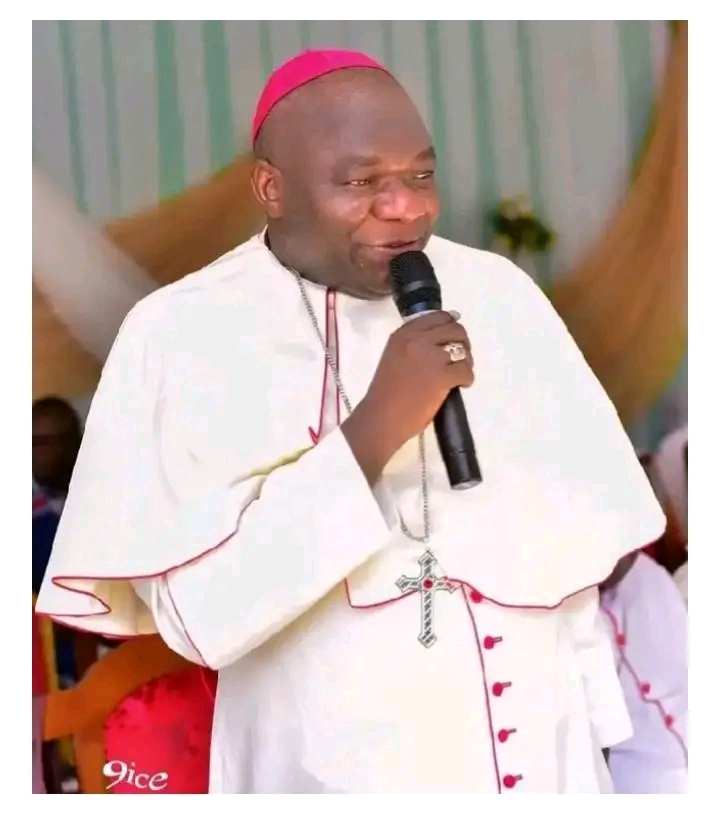
In a strong and timely call that could reshape political participation in northern Nigeria, the Christian Association of Nigeria (CAN) in Borno State has urged Christians to actively engage in politics, insisting that governance should not be left in the hands of a few. The message, coming at a critical time in the nation’s democratic journey, has already sparked wide conversations across political and religious circles.
Speaking on the need for greater civic involvement, the Borno CAN leadership stressed that politics should no longer be viewed as a “dirty game,” but rather as a vital platform for influencing leadership, policy, and the future of society.
According to the group, withdrawing from the political space has often led to underrepresentation and limited influence in key decision-making processes.
The association noted that Christians must begin to see political participation as both a civic responsibility and a moral duty, especially in a state like Borno where security, development, and social inclusion remain major concerns.
It urged eligible citizens to register with political parties, contest elective positions, and contribute meaningfully to public discourse.
Observers say the statement reflects a growing national debate on the role of faith communities in governance and nation-building.
Across Nigeria, religious bodies have increasingly encouraged members to take active roles in shaping policies that affect education, security, welfare, and economic growth.
For many residents, the message is expected to resonate strongly ahead of future elections, particularly among youths who have often remained politically passive.
Analysts believe that increased participation from all segments of society could strengthen democracy and improve accountability.
As conversations continue, the call from Borno CAN sends a clear message: politics should be a tool for service, reform, and representation—not a space abandoned by those seeking positive change.
The punch

