




















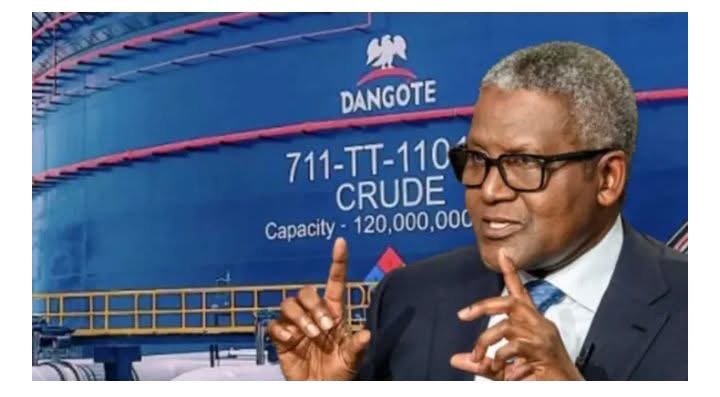
According to a report by Independent on Monday 24 August 2026, the Dangote Petroleum Refinery and Petrochemicals has expanded its free petroleum product delivery scheme to four more states, increasing the number of states benefiting from the initiative to 14.
The newly added states are Kano, Imo, Anambra and Nasarawa; The move is expected to reduce transportation costs for independent petroleum marketers and potentially create room for cheaper petrol prices at filling stations.
The programme was initially introduced in Lagos, Ogun, Rivers, Kaduna, the Federal Capital Territory and Delta State; Its main objective is to bring refined petroleum products closer to independent marketers and retailers while eliminating the cost of transporting products over long distances.
By taking responsibility for the logistics involved in delivering petroleum products, Dangote Refinery is removing one of the major expenses associated with Nigeria’s downstream petroleum distribution system.
The development could provide marketers with additional savings, which may eventually be reflected in pump prices paid by motorists and other consumers.
Fatima Aliko Dangote, Group Executive Director, Commercial Operations, Oil & Gas, WAEP and Fertiliser, said the refinery wanted the benefits of local refining to extend beyond its facility.
According to her, absorbing delivery expenses would reduce the distribution burden on customers and provide an opportunity for savings to move through the supply chain to consumers.
The initiative has been welcomed by the Independent Petroleum Marketers Association of Nigeria (IPMAN), which said the arrangement could provide significant relief for its members.
IPMAN National Publicity Secretary, Chinedu Ukadike, explained that independent marketers often have substantial amounts of money tied up while waiting for petroleum products to be loaded, transported and delivered.
He said the Dangote arrangement could improve their cash flow because marketers would receive products closer to their businesses without having to finance expensive long-distance transportation.
Ukadike further argued that reduced logistics expenses could help moderate petrol prices, since transportation costs are normally incorporated into the final price of petroleum products.
The benefits are expected to be particularly important for marketers operating in distant markets, where the movement of products involves haulage charges, truck operations, drivers’ costs, insurance and other road-related expenses.
With products delivered closer to their final destinations, the initiative could shorten the distribution chain, improve supply efficiency and reduce some of the risks associated with long-distance transportation.
IPMAN has therefore urged Dangote Refinery to expand the programme to more parts of Nigeria, particularly additional locations in the northern region.
The association believes wider coverage could further reduce distribution costs, strengthen competition among petroleum marketers and increase the impact of domestic refining on consumers across the country.
Arise news

