




















Proposed changes to the constitution would extend presidential terms from five years to seven, allowing President Emmerson Mnangagwa to stay in office until 2030 after he was meant to step down in 2028.

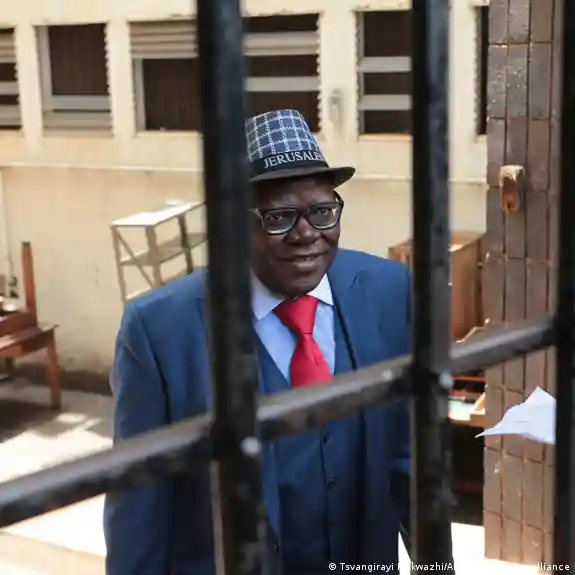
Biti’s civic‑rights group, the Constitution Defenders Forum (CDF), said he had been organising a rally in Mutare at the time of his arrest.
Police have not commented on Biti’s detention, and his whereabouts were not immediately clear.
Zimbabwe’s cabinet last month backed draft legislation that would amend the constitution to extend presidential terms from five to seven years and allow lawmakers, rather than voters, to choose the president.
The changes would enable Mnangagwa to remain in office until 2030, a move Biti, his organization and opposition parties strongly oppose.
Opponents campaigning against the constitutional changes said they had been subjected to beatings or intimidation.
Show additional content?
This content is part of the text you are currently reading. The provider TikTok (Embed) provides this content and may collect your usage data directly when you click “Show content”.
Always show content from TikTok (Embed).
Critics say amendments are unconstitutional
David Coltart, the mayor of Bulawayo, the country’s second‑largest city, condemned the arrest, saying it appears Biti’s outspoken criticism of the proposed constitutional changes is what landed him in trouble.
“Why is [Mnangagwa’s] Zanu PF so paranoid about pushing these amendments through using such illegal, authoritarian and unconstitutional means? It clearly knows that it does not enjoy the support of the overwhelming majority of Zimbabweans,” he wrote on X.
Mnangagwa, who is 83, was due to step down in 2028 after completing two five‑year terms. ZANU‑PF has ruled Zimbabwe since independence from Britain in 1980.
Legal challenges to the proposal are expected, with constitutional experts arguing that any change to presidential term limits would require a referendum — and noting that such amendments cannot benefit a sitting president.
“Zimbabweans have got the right to approach the courts of law,” Biti said late last year.
Edited by: Saim Dušan Inayatullah
DW News

