










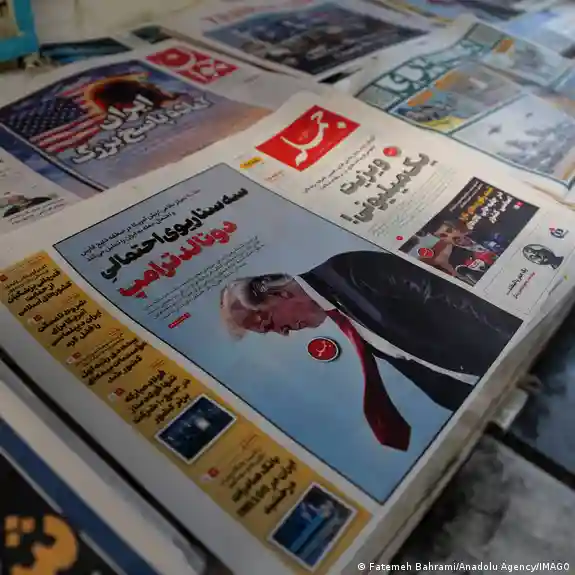
After threatening tariffs of up to 25%, US President Donald Trump has raised the stakes in his confrontation with Tehran. US warships add extra pressure to the row over Iran’s nuclear program and a protest crackdown.
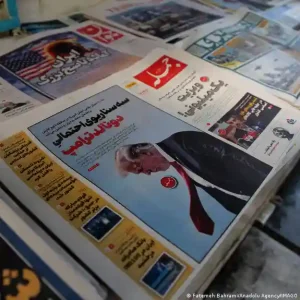
US President Donald Trump signed an executive order on Friday that could impose a 25% tariff on countries that continue to trade with Iran.
Trump first threatened the measure last month as tensions between Washington and Tehran continued to rise over Iran’s nuclear program and a bloody crackdown by the Islamic Republic on anti-regime protests.
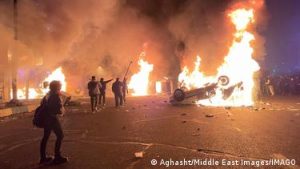
What does the executive order say?
The executive order, which takes effect on Saturday, directs the administration to impose new tariffs on countries that still do business with Iran.
It states that tariffs “may be imposed on goods imported into the United States that are products of any country that directly or indirectly purchases, imports, or otherwise acquires any goods or services from Iran.”
The order also sets out a mechanism for determining and applying those duties, with US Secretary of State Marco Rubio tasked with setting the rate.
The order notes that the tariff could be as high as 25%, echoing the figure Trump first floated in mid-January.
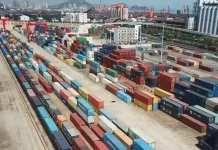
Such measures would hit trade with China — Iran’s largest trading partner and the biggest buyer of Iranian oil — along with Russia, Germany, Turkey and the United Arab Emirates.
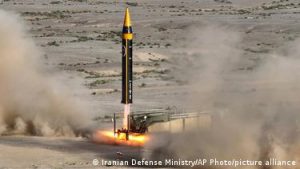
The White House said the tariff was aimed at “holding Iran accountable for its pursuit of nuclear capabilities, support for terrorism, ballistic missile development and regional destabilization that endanger American security, allies, and interests.”
Trump has repeatedly threatened Iran’s leadership, citing its brutal crackdown on demonstrators during recent mass protests as well as its controversial nuclear program.
No deal yet from Iran talks, but negotations may continue
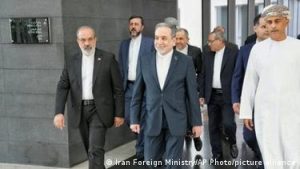
Indirect talks in Oman on Friday ended without an immediate breakthrough, but there are signs that negotiations would continue.
The talks in Muscat — the first since the US and Israel launched strikes on Iranian nuclear sites in June — were mediated by Oman and described by Iranian Foreign Minister Abbas Araghchi as “a good start.” He had said the two sides “agreed to continue negotiations.”
Trump described the talks as “very good” and said “we’re going to meet against early next week.”
Trump said Iran “looks like it wants to make a deal very badly,” but warned again of consequences if no agreement is reached and insisted Iran must never obtain nuclear weapons.
Speaking aboard Air Force One, he added that another meeting was planned for early next week.
US Navy Admiral Brad Cooper, head of Central Command, attended the talks in Muscat, underscoring the military threat that Tehran faces as US warships, including the aircraft carrier USS Abraham Lincoln, have begun patrols just off the Iranian coast.
Protest crackdown deepens crisis
Inside Iran, the government has imposed an internet blackout amid a sweeping crackdown on economic protests that began in December.
The US-based Human Rights Activists News Agency (HRANA) said Friday it had confirmed 6,505 protesters have been killed, along with 214 security personnel and 61 bystanders.
Before the June war, Iran had been enriching uranium up to 60% purity — a short technical step from weapons‑grade material.
The International Atomic Energy Agency has noted that Iran is the only non‑nuclear‑armed state to enrich to that level.
Tehran has since refused IAEA requests to inspect the bombed sites, heightening concerns among nonproliferation experts.
Iran had already restricted inspections following Trump’s 2018 withdrawal from the 2015 nuclear deal.
Edited by: Wesley Dockery
DW News

