




















Live TV
PoliticsFrance
France: Victory for PM Lecornu as parliament passes budge
Mark Hallam with AFP, Reuters
14 hours ago14 hours ago
French Prime Minister Sebastien Lecornu was able to breath a sigh of relief after the National Assembly passed his spending plans by 13 votes. Lecornu has only been in the job three months and has already resigned once.
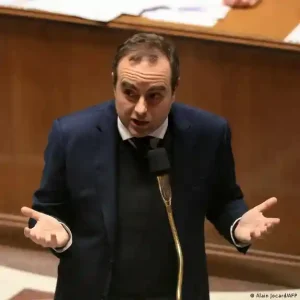
France’s National Assembly narrowly approved a social security budget on Tuesday, much to the relief of Prime Minister Sebastien Lecornu, who is seeking to finalize the government’s 2026 spending plan by the end of the year.
The lower house of the French parliament backed the measure, which includes the suspension of an unpopular pension reform, by 247 votes to 234, with Lecornu thanking what he called a “responsible majority.”
The budget will now head back to the Senate before returning to the lower chamber.
Lecornu has been scrambling to get a budget through parliament ever since taking office in September, but the concessions he’s made on the cost-cutting program advocated by President Emmanuel Macron to appease the center-left Socialists have risked alienating centrist and conservative allies.
Were the bill to have failed, would have left a €30-billion (roughly $35-billion) hole in funding for healthcare, pensions and welfare, as well as putting Lecornu’s own position into question.
Pension age change back on hold in latest bill
The main change to the social security budget is on the increased retirement age that President Macron has sought for years now.
Past proposals to increase the retirement age from 62 to 64 — reforms first put forward in 2023 which would still leave France among the most generous countries in Europe or the G7 — have been put on hold again.
The change would be frozen until 2027, after the next presidential elections, which would mean Macron will have failed to fulfil his goal to reform France’s creaking pension system in both his terms.
Asked whether the plan would pass before the parliamentary debate and subsequent vote, which began at 4 p.m. local time (1500 UTC/GMT), Budget Minister Amelie de Montchalin told BFM TV: “I cannot say.”
She also said the government might pledge extra money to fund hospitals in the hope of winning over reticent political parties like the Green party bloc.
Minority centrist government reliant on support from the flanks
Both the populist right and left-wing parties, two of the largest in a divided parliament, are likely to oppose the spending plans.
This would leave Macron-loyalist Lecornu in need of the vast majority of the remaining groups in parliament to secure the bill’s passage.
But his efforts to bring France’s traditional center-left powerhouse the Socialists on board risk alienating the center-right Repbulicans and centrist parties like Horizon, whose members say Lecornu compromised too much as France scrambles to rein in its debts.
The government is aiming to cut France’s budget deficit — already one of the largest in Europe — to 5% of GDP next year. By comparison, Germany’s was 2.8% in 2024.
But doing this has been challenging for years, and it’s become almost impossible since snap 2024 elections called by Macron which further weakened the position of the president and his allies.
Lecornu is the third prime minister since that election. He has only been in the post since September. And he has already resigned once, just weeks after taking the job, only for Macron to ask him to return and try to get a budget through after all with the clock ticking before emergency stopgap spending measures would be required.
If you include Lecornu, Macron’s last four prime ministers all lasted less than a year in the post. The two before them could not manage two years.
Edited by: Jenipher Camino Gonzalez
DW News

