
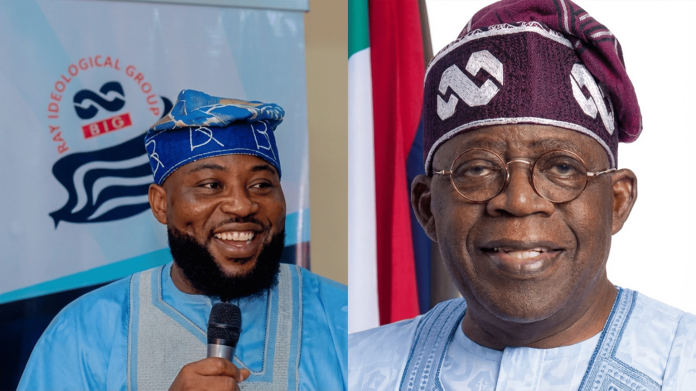
Convener of the BAT Ideological Group, Bamidele Atoyebi, has said President Bola Ahmed Tinubu’s frequent foreign engagements have produced tangible gains in defence cooperation, trade, and economic recovery, urging critics to assess the trips by outcomes rather than duration.
Atoyebi made the remarks, on Friday, while speaking with journalists, arguing that public debate has focused excessively on the number of days the President spends outside the country without sufficient attention to the results of those engagements.
According to him, an objective assessment of the President’s travels should be based on measurable developments before and after the trips.
He said: “The objective way to look at these engagements is to interrogate the facts and figures before the trips and where we are now. Key indicators show a steady upward trajectory in Nigeria’s recovery…”
“President Tinubu should be commended rather than vilified for these strides. These are gains that were previously thought unattainable and have been achieved within two years.” He said available indicators point to improvements in Nigeria’s security posture, international relations, and economic outlook.
Atoyebi cited enhanced defence relations between Nigeria and the United States, noting that the country is now accessing military equipment and intelligence support that had previously been difficult to secure.
He said U.S.-manufactured aircraft and armaments are currently being produced for the Nigerian Air Force, with some already delivered and inducted into service, alongside expanded intelligence-sharing arrangements.
He added that defence ties between both countries have strengthened significantly, contributing to Nigeria’s capacity to address insurgency and terrorism. On Nigeria’s engagement with Turkiye, Atoyebi said President Tinubu’s visit resulted in the signing of multiple agreements spanning defence, energy, military training, intelligence sharing, health, education, and trade. He noted that bilateral trade between Nigeria and Turkiye has exceeded $5 billion, while a Turkish financial institution is concluding plans to establish operations in Nigeria.
According to him, defence cooperation with both the United States and Turkiye has translated into operational benefits, including the deployment of drones and access to real-time intelligence, which he said have supported ongoing security efforts.
Beyond security, Atoyebi pointed to economic indicators he described as reflective of improved global confidence in Nigeria.
He referenced the growth of foreign reserves, Nigeria’s exit from the financial grey list, and positive international assessments of the country’s economic prospects.
He also mentioned domestic economic measures, including salary adjustments for civil servants, tax exemptions for low-income earners, progressive taxation policies, and what he described as easing food inflation pressures. Atoyebi said international institutions have projected stronger growth for Nigeria, placing the country among key contributors to global economic expansion.
He urged critics of the President’s foreign engagements to adopt a results-based evaluation, stressing that diplomacy should be measured by its impact on national security, economic stability, and global standing.
The guardian

