
















About two and a half years after Nigeria began a series of what economists have described as necessary but painful reforms – scrapping fuel subsidies, liberalising the foreign exchange (FX) market and streamlining taxes (a third leg of the economic surgery that will take effect in January) – the country appears to be heading to a sustainable but fragile growth zone.
The World Bank, International Monetary Fund (IMF) and other development partners have passed a vote of confidence on the reform and consistently marked up their growth projection for the economy.
In a new “evidence-based report” by Quartus Economics, Nigeria’s return to stable and sustainable growth was validated after 14 years of stalled or anaemic expansionary trend. This, it noted, followed the therapy of twin reforms targeted at correcting “decades-old structural weaknesses”.
The country, it said, has ended “a full decade of slowdown”, stall and descent in output growth, which fell to just about or below the rate of population growth. Last year, the gross domestic product expanded by 3.4 per cent, much higher than the 2.5 per cent average population growth witnessed in the past decade.
In the second quarter of this year, the economy posted even stronger growth across sectors, which averaged 4.23 per cent in real terms. Yet, the promising trend, which rides on rising confidence, the report said, meets clear challenges.
One, it noted, is that the growth risks reversal, except investor confidence is sustained through sustainable reforms. This will require strong political will and commitment, which faces an enormous test as the election year approaches.
Over a year to the election, President Bola Tinubu’s team has been consolidating the All Progressives Congress (APC) control to give the President a convincing victory.
Tax reform, which starts full implementation in January, faced its strongest opposition from the north – a zone that has recorded the highest number of votes in recent years. Political pundits believe Tinubu would need to reach a compromise with leaders of the zones to secure their support ahead of the 2027 elections. Such a compromise could include tempering reforms believed to have contributed to hardship in the country, including in the north.
But like the World Bank noted, in its recent Nigeria Development Update (NDU), Quartus insisted the current reforms would necessarily need to be sustained to avoid tipping the economy into another boom-and-bust cycle.
What many people have referred to as growth since the country’s political independence was a mere commodity boom cycle. At the slightest market risk, often triggered by external shocks or glut, the economy snaps and returns to a negative territory and gets stuck in fragile growth.
The current administration said it is pursuing a diversification programme to decouple the economy from the commodities market. As part of the effort, a new industrialisation support programme has been on the table, though not much has been done to implement critical components of the programme.
Except this is done, stakeholders, especially those in the local manufacturing, have warned, Nigeria’s growth would remain exclusive, ruthless and jobless. In addition to this, the country now must deal with the backlog effect of rapid population expansion, Quartus insisted. Stalled or declining output, in real terms, has shrunk the country’s GDP per capita significantly.
Following naira depreciation, GDP per capita dropped from $4,363 in 2014 to $1,084 by 2024 (a 75 per cent drop). But the fall in GDP per capita, indeed, is more of a currency crisis issue rather than an absolute output change. For instance, within the same decade, the naira lost 89 per cent of its exchange value against the dollar, the report recalled, suggesting that if the exchange rate had held constant, per capita GDP would have recorded a positive growth.
With the country’s population projected to surpass 280 million in 10 years, the need for new public and private investment to double down on the growth of resources needed to meet the needs not only to meet the subsistence needs of the younger generation, but also to educate them.
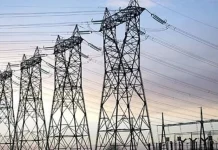
The acute poverty in African countries, including Nigeria, is attributed partly to poor investment in human capital development. To reverse the misery crisis, experts have advised, investment in education and health, the two most important sectors that drive productivity, must be substantially increased. Despite the rising hope, power and infrastructure, which are needed to kick start industrialisation, remain Nigeria’s Achilles’ heel. Electricity supply is still below 5,000 megawatts for a population that exceeds 210 million.
Frequent grid collapses, transmission bottlenecks and weak private investment continue to stifle manufacturing and small business growth. The Nigerian Electricity Regulatory Commission (NERC) estimates that the country loses over $25 billion or about 10 per cent of the GDP yearly to poor power supply.
The CBN’s monetary reforms – especially the harmonisation of exchange rates and renewed focus on price stability – have started to yield results. The naira has shown signs of stabilisation, hovering around 1,500 to the dollar in the past few weeks, compared to a peak of N1,600 earlier in the year.
But the naira is still over 60 per cent down compared to N460 per cent it was trading before the FX reform kicked in 2023.
The guardian

