













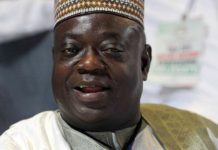

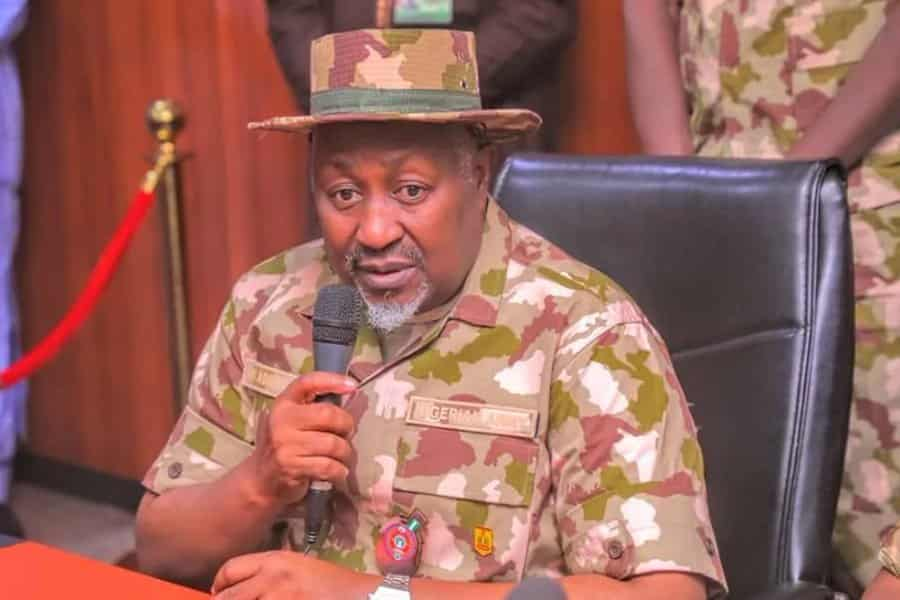
The sudden resignation of the Minister of Defence, Mohammed Badaru Abubakar, may signal further exits from the Federal Executive Council in the coming weeks.
Badaru’s exit on Monday has already intensified speculation about an imminent cabinet shake-up.
Although it is not for anyone to predetermine the President’s next move, strong indications suggest that more ministers could be eased out as the administration edges toward the 2027 election cycle.
Badaru’s resignation, conveyed in a letter dated December 1 and addressed to President Tinubu, brought an abrupt end to his tenure at a time when the nation is intensifying efforts to confront mounting security challenges.
He cited health concerns requiring urgent and sustained attention, confirming weeks of quiet speculation over his reduced public engagements.President Tinubu has accepted Badaru’s resignation and expressed appreciation for his service, particularly his contributions to defence coordination and to ongoing reforms aimed at strengthening the security framework.
Reacting to the development, Special Adviser to the President on Information and Strategy, Bayo Onanuga, confirmed the resignation on his X handle.
Badaru’s tenure, grounded in his experience as a two-term governor, coincided with the administration’s renewed push to stabilise the country’s security landscape.
Presidency sources say a replacement will be announced in the coming days, with a nominee expected to be forwarded to the Senate before the end of the week.
Given the Defence Ministry’s centrality to the administration’s security priorities, the post is unlikely to remain vacant for long.Insiders hint that Badaru’s departure may be the first in a series of quiet but strategic removals, reflecting a broader recalibration within the Tinubu administration.
Military analysts say Badaru’s resignation did not surprise close observers. What remains puzzling to some, however, is the length of time he stayed in office despite some missteps.
Within defence circles, there is growing sentiment that “it is time for President Tinubu to rejig the defence hierarchy by appointing a career military professional who commands the loyalty and confidence of the armed forces”, someone capable of deploying grounded operational experience to influence desired outcomes against insurgents and other violent groups.
Meanwhile, Monday’s high-level meeting between northern governors and traditional rulers has offered fresh insight into the gravity of insecurity across the region.
Their unanimous endorsement of state police marks a significant political shift, arguably the first time northern leaders have collectively backed a proposal that was once deeply divisive. The question now is: what changed?
Equally noteworthy is their call for a six-month suspension of mining activities, signalling a concession that illegal mining is intricately linked to worsening insecurity.
The northern leaders’ meeting adds yet another layer to the shifting political landscape. Their unified stand on state police, long a point of internal contention, signals a rare alignment among governors, religious authorities, and traditional institutions. More significant still is the emerging posture of collective northern assertiveness on national security matters.How the Tinubu administration navigates these overlapping pressures, internal, regional, and electoral, will determine not only the fate of his ministers but also the trajectory of Nigeria’s broader security architecture.
The days ahead will test alliances, expose policy contradictions, and perhaps reveal deeper fissures within the governing structure.
Badaru, 63, served two terms as governor of Jigawa State before he was appointed Minister of Defence on August 21, 2023. During his tenure, he worked closely with the service chiefs on procurement, joint operations, and harmonisation of national security strategies.
His resignation comes at a sensitive moment, as President Tinubu recently declared a national security emergency amid escalating threats across several regions.
The President is expected to outline the scope and operational framework of the emergency measures in the coming days.
The guardian

