

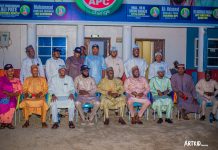









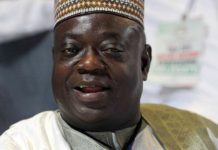



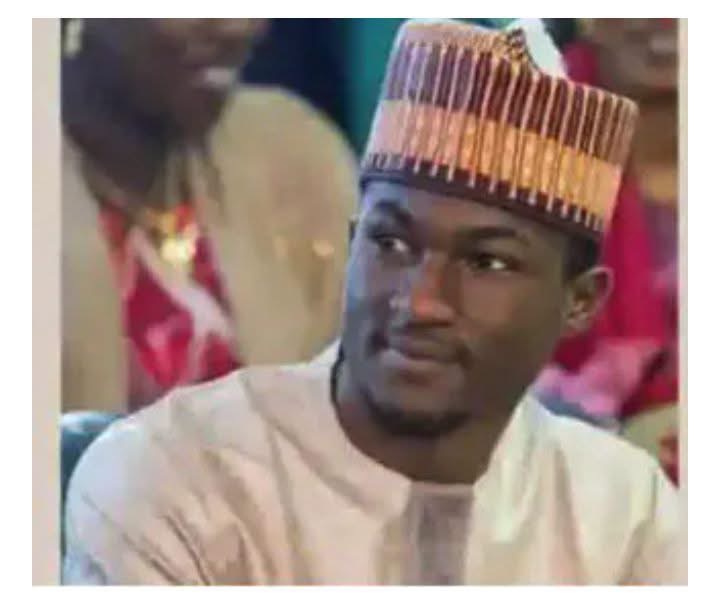
In May 2026, Yusuf Buhari won the APC primary for the Sandamu/Daura/Mai’Adua Federal Constituency by 17,342 votes to 480. The margin left little room for interpretation.
For those that barely recognise the name, Yusuf is the son of the late former President Muhammadu Buhari, and Daura, which sits at the heart of this constituency, is where his father was born and buried. The emotional and political weight of that geography is not incidental to his campaign but central to it.
Governor Dikko Radda of Katsina State is backing him, with the APC machinery in the area aligned. For the 2027 general election, Yusuf enters as the heavy favourite.
The question that Nigerian political history tends to ask about candidates in his position is a familiar one: how much of the support is for the person, and how much is for the name? The record of political heirs in Nigeria is instructive and honest in equal measure.
Bukola Saraki built on his father Olusola’s legacy to become a two-term Kwara governor and Senate President, eventually dominating Kwara politics for over a decade.
His sister Gbemisola served in both chambers and later as a federal minister. Bello El-Rufai won a House seat in Kaduna. Blessing Onuh, daughter of former Senate President David Mark, won in Benue.
The other side of that ledger is equally real. Saraki’s own machinery was dismantled in Kwara by the “O to ge” (enough is enough) movement in 2019, a grassroots revolt against perceived dynasty. Iyabo Obasanjo won a Senate seat, then saw her political career stall. Children of former governors in Oyo and Delta found that their fathers’ names offered a starting point, not a guarantee.
Yusuf is stepping into this terrain with structural advantages few heirs possess. The constituency is his father’s hometown, the party is organised around his candidacy, and the state governor is publicly supportive.
Whether he converts that platform into a legislative career on his own terms is the longer story.
Arise news

