






















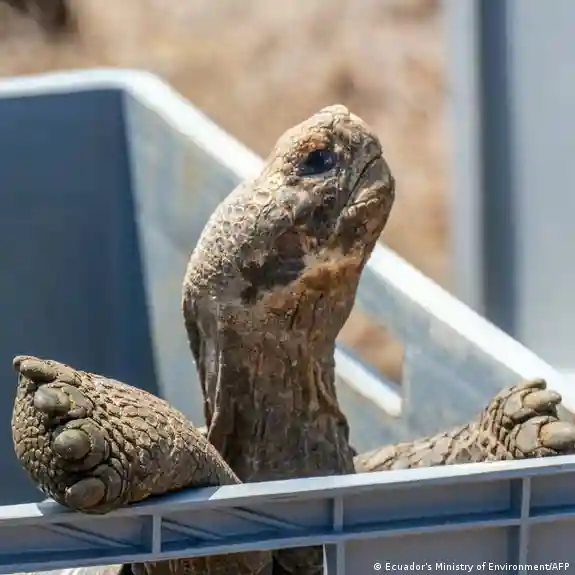
Ecuador released 158 juveniles in the first phase of an ambitious rewilding effort at the World Heritage Site.
Nearly 150 years after giant tortoises vanished from Floreana Island in Ecuador’s Galapagos archipelago, the species has made a long‑anticipated return.
Ecuadorian authorities this week released 158 juvenile tortoises, each between 8 and 13 years old. The release is the first phase of a larger plan to reintroduce 700 animals to the island.
“For the first time in over a century, Floreana is once again home to giant tortoises, a species that plays a strategic role as ecosystem engineers: seed dispersers, vegetation regulators, and promoters of natural habitat regeneration,” the environment ministry said Friday.
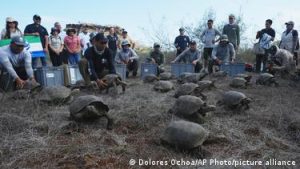
Genetic link to the original species
The young tortoises carry between 40% and 80% of the genetic makeup of “Chelonoidis niger,” the species that disappeared in the 19th century due to invasive mammals, whaling, fire and human exploitation.
According to the ministry, the juveniles were bred at a Galapagos National Park facility using animals with strong genetic ties to Floreana’s lost lineage. Officials hope the long‑term resettlement effort will eventually restore the original species profile on the island.
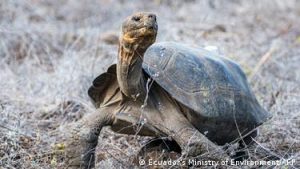
National Geographic identifies 13 living species of Galapagos tortoises on other islands in the archipelago. Adults can weigh more than 250 kilograms (550 pounds), and the oldest known individual lived to age 175.
Returning to a changed landscape
Officials say the timing of the release is favorable, with seasonal rains creating conditions that will help the tortoises adjust to their new environment.
The tortoises will now share Floreana with a small human population and a diverse range of native wildlife. They will also face threats from invasive species, which conservationists say remain a major challenge.
Floreana resident Veronica Mora said seeing the tortoises return was deeply meaningful for the community.
“We are seeing the reality of a project that began several years ago,” she said, calling the release a source of collective pride.
Researchers are also working to bring back 12 additional endemic species to Floreana as part of a wide‑scale rewilding initiative.
The Galapagos Islands, a World Heritage Site, lie about 1,000 kilometers off Ecuador’s coast and are known for their unique biodiversity.
Edited by: Jenipher Camino Gonzalez
DW News

