



















The Independent National Electoral Commission (INEC) and the National Peace Committee (NPC) Wednesday in Abuja discussed strategies that would ensure upcoming elections are conducted in a manner that reflects the will of the people, free from violence and destruction.
At the meeting with the delegation of the Peace Committee held at INEC headquarters, the evolving security landscape in the Federal Capital Territory (FCT) was also discussed ahead of the February 21 Area Council elections.
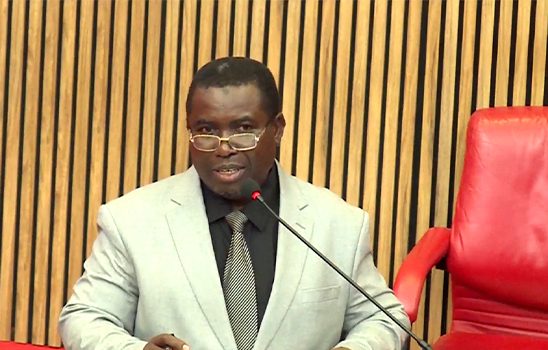
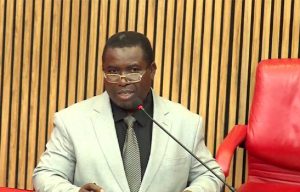
Speaking, the INEC Chairman, Prof. Joash Amupitan, said the NPC, which aims at promoting peaceful elections, mitigating electoral conflict and safeguarding democratic processes, resonates deeply with the mission of INEC.
He noted that as they prepare for these elections, especially the FCT Area Council election, the responsibility they share in maintaining peace and security during this period is paramount.
Amupitan stated: “Let me specifically appreciate you for establishing the Election Security Information Hub to complement our efforts.
“I listened carefully to your analysis of the security landscape in the Federal Capital Territory and observed that AMAC is an area requiring special scrutiny and attention, as well as Gwagwalada, Kuje and Bwari.
“We have noted the points you made, particularly regarding Gwagwalada and Kuje, which you described as the ‘elephants in the town’.
“On our part, the Planning and Monitoring Department has also conducted its own mapping and analysis.
“It is imperative that we share information, learn from one another and implement best practices that have proven effective.
“Let us use this opportunity to discuss strategies that will ensure upcoming elections are conducted in a manner that reflects the will of the people, free from violence and destruction. Through unity and collaboration, we can build a resilient framework that not only supports the electoral process but also fosters lasting peace within our communities.”
The chairman stressed that the commission has noted the concern of the committee, as well as the possibility of heightened electoral violence, saying the commission would not take it for granted.
He added: “We will share this with our security partners so that they can take the necessary steps as we navigate the complexities of security in today’s political climate.
“We are aware that elections can often be fraught with tension and potential conflict. However, with proactive and strategic partnership, we can create an environment conducive to safe and credible elections.”
Earlier, the Executive Director of the Kukah Centre and Head of Secretariat of the National Peace Committee, Rev. Fr. Atta Barkindo, assured the commission of the committee’s readiness to provide strategic guidance and support not only for the FCT election but also for forthcoming governorship elections in Ekiti and Osun States, as well as preparations for the 2027 general election.
He revealed that the committee’s Election Security Information Hub, launched last year, has established networks across the country to collect and analyse data on insecurity, violence and conflict trends, both election-related and those capable of impacting the electoral process.
“The objective is to ensure that all interventions undertaken by the committee are guided strictly by data and evidence, rather than sentiment or partisan considerations,” Barkindo disclosed.
Also, the Project Manager of the Kukah Centre, Ms. Asabe, described the FCT election as a “mirror” through which Nigerians would assess preparations for the 2027 general election.
She explained that the ESI Hub has, since June last year, tracked incidents under two broad categories: election-related violence and an Electoral Offences Tracking System aligned with the constitution, the Electoral Act and the principles underpinning peace accords.
Highlighting specific areas of concern, she identified AMAC as having a high concentration of reported security incidents and potential vote trading risks. Gwagwalada was flagged for indigene-settler tensions and party disputes, while Bwari faces disputes over candidate legitimacy and security spillovers from neighbouring states.
Kuje, she noted, presents complex challenges, including reported farmer-herder conflicts, kidnapping incidents, limited security presence in certain communities, and telecommunications gaps in remote areas.
She expressed optimism that with coordinated action among stakeholders, the FCT election would be conducted peacefully and credibly, while also seeking continued collaboration with the commission in sharing relevant monitoring insights.
ThisDay News

