




















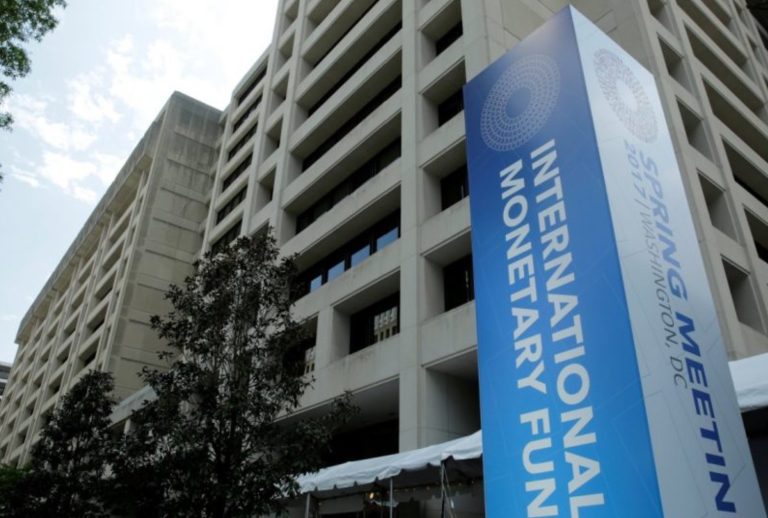
The International Monetary Fund has warned workers around the world that the future of work will no longer belong to certificate holders alone but those who can adapt, reskill and learn continuously, as artificial intelligence and digital technologies rapidly transform global labour markets. In a blog post based on fresh IMF research, the Managing Director, Kristalina Georgieva, said the scale and speed of technological change are redefining employability across economies.
Drawing on an analysis of millions of online job vacancies in advanced and emerging market economies, she noted that the demand for new skills is no longer limited to a few specialised sectors but is spreading across almost every occupation.
According to the IMF, one in 10 job postings in advanced economies and one in 20 in emerging market economies now require at least one new skill. This shift, the Fund said, highlights a fundamental change in the world of work, where the ability to update skills is becoming as important as formal qualifications or years of experience.
The data shows that technological disruption has moved well beyond factory floors and routine back-office tasks. Professional, technical and managerial roles now account for the bulk of demand for new skills, with information technology alone responsible for more than half of this requirement. Digital competence, data skills and familiarity with new tools are increasingly seen as baseline expectations rather than optional extras. For workers, finding or keeping a job will increasingly depend on the ability to update skills or learn new ones,” Georgieva said.
“Our latest analysis of millions of online vacancies reveals the scale of the demand for new skills: one in 10 job postings in advanced economies and one in 20 in emerging market economies now require at least one new skill.” The impact of artificial intelligence–specific skills presents an even more complex picture. Although AI-related roles command higher wages, they have not yet translated into broad-based job growth. In regions with strong demand for AI skills, employment in AI-vulnerable occupations was 3.6% lower after five years than in regions with weaker demand. Georgieva warned that this trend poses particular risks for young people, as entry-level jobs are often the most exposed to automation.
The IMF cautioned that without proactive policies, the rapid spread of AI could widen inequality and intensify labour market anxiety. As disruption accelerates, workers’ ability to reskill and upskill will increasingly determine their employment prospects and income security.
“With nearly 40% of global jobs exposed to AI-driven change, concerns about job displacement and declining opportunities for some groups are becoming more acute,” the Fund said.
“This underscores the need for proactive and comprehensive policymaking that prepares the labor force for the future of work and ensures the gains from AI are broadly shared.”
To help governments respond, Georgieva said the IMF has developed a Skill Imbalance Index, which compares future demand for new skills with existing supply. Countries such as Brazil, Mexico and Sweden, where demand significantly outstrips supply, need to invest more in training and STEM education and may rely more heavily on skilled migration. Others, including Australia, Ireland and Poland, have relatively abundant talent but weaker demand, requiring policies that stimulate innovation and firm creation.
Emerging and low-income economies, where both demand and supply of new skills remain limited, will need a combination of education reform, innovation policies and labour market adjustments. The IMF has previously warned that nearly 40% of jobs globally will be influenced by AI. While productivity gains could boost returns for high-income workers and companies, the Fund cautioned that this could widen wealth gaps unless governments strengthen social safety nets and expand retraining programmes for vulnerable workers.
The sun

