








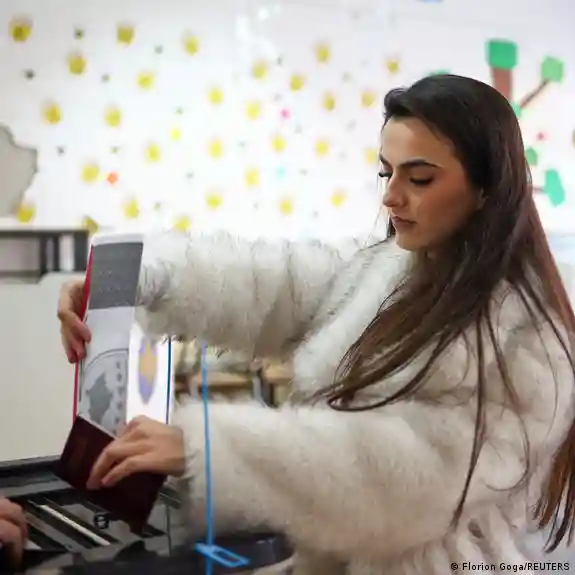
With parliament paralysed and EU-backed loans at risk, parties face pressure to compromise as Kosovars vote again, unsure whether any result can restore governance, unlock funding and ease a deepening political crisis.

Kosovo is holding a parliamentary election for the second time in 11 months, as Prime Minister Albin Kurti’s left-wing nationalist Vetevendosje (Self-Determination Movement) seeks a clear majority to break a prolonged political stalemate.
The snap election Sunday follows February’s vote, in which Vetevendosje emerged as the largest party but failed to secure a governing parliamentary majority.
Months of unsuccessful coalition talks led to President Vjosa Osmani dissolving the parliament in November and calling an early election.
Since then, Kosovo’s legislature has been unable to agree on its leadership, leaving the body effectively paralyzed and unable to function.
Polling stations open at 07:00 (0600 GMT) and close at 19:00, with initial results and exit polls expected on Sunday evening.
High stakes for Kurti and rivals
Kurti, who has governed since 2021, is hoping for a decisive result similar to his 2021 victory, when he was able to form a government largely on his own. His reform agenda has produced mixed results so far.
If Vetevendosje again falls short of a majority, uncertainty remains over whether Kosovo’s main political parties will be willing to compromise to form a coalition government.
Opposition parties have repeatedly refused to govern with Kurti, criticizing his handling of relations with Western allies and his policies toward Kosovo’s ethnically divided north, where a Serb minority lives.
Kurti in turn has blamed the opposition for the ongoing impasse.
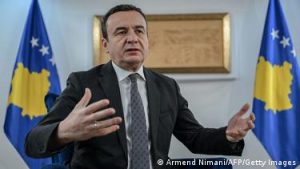
Bedri Hamza, a former finance minister and new head of the Democratic Party of Kosovo (PDK), has emerged as Kurti’s strongest challenger.
Hamza blends national values with liberal economic policies championing free markets, economic growth, a stronger private sector and social protection.
DW News

