





















The Federal Competition and Consumer Protection Commission (FCCPC) announced on Thursday that it has recovered over N10 billion from banks, fintechs, and Fast Moving Consumer Goods (FMCG) companies for dissatisfied customers who lodged complaints regarding various forms of rights violations.
This was detailed in updated data on consumer complaints released by the FCCPC in Abuja on Thursday, in line with the Commission’s mandate under Sections 17(a) and 17(j) of the Federal Competition and Consumer Protection Act (FCCPA) 2018, which empower it to enforce consumer protection laws and make information on its functions available to the public.
The data revealed that the top 10 sectors by number of complaints received between March and August 2025 were led by banking (3,173 complaints), followed by Fast Moving Consumer Goods (FMCG) (1,543), fintech (1,442), and electricity (458).
Other notable sectors included e-commerce (412), telecommunications (409), retail/wholesale/shopping (329), aviation (243), information technology (131), and road transport and logistics (114).
The FCCPC stated that the data, covering cases lodged with the Commission between March and August 2025, was compiled from its complaint resolution platforms and provides insight into the patterns and prevalence of consumer dissatisfaction across 30 sectors.
The Commission noted that the data covers consumer grievances ranging from unfair charges, service failures, unauthorised deductions, deceptive marketing, poor disclosure of terms, product defects, and failure to provide redress within acceptable timelines.
In a statement, Ondaje Ijagwu, the Director of Corporate Affairs, FCCPC, noted that the total number of complaints resolved during the reporting period was 9,091, reflecting both the scale of harm experienced and the significant financial burden borne by consumers in the absence of effective redress.
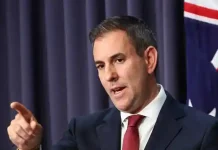
The Executive Vice Chairman/Chief Executive Officer of the Commission, Mr Tunji Bello, said, “These numbers are not just statistics, but the story of consumer frustration and the daily challenges Nigerians face in essential services.
“The FCCPC is determined to hold businesses accountable, ensure compliance with the FCCPA 2018, and promote fair market practices that protect the welfare of all consumers. Banking is the dominant source of consumer complaints, both in volume and financial exposure, highlighting recurring issues in loan deductions, account charges, and transaction disputes, and reflecting public reliance on the FCCPC to intervene in systemic financial service challenges.
“Banking and fintech dominate by financial impact, showing consumer vulnerability where services are both essential and high value, thus signalling an urgent need for stronger joint regulation with the Central Bank of Nigeria (CBN).
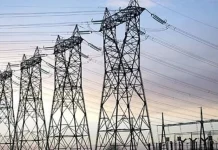
“With 458 reported complaints, the electricity sector ranks fourth overall, behind banking, financial services, and FMCG, highlighting persistent billing disputes, service delivery failures, and the need for stronger coordination between the FCCPC, NERC, state electricity regulatory agencies, and electricity distribution companies (DisCos).
“E-commerce disputes are relatively low-value but high-frequency, signalling broad consumer exposure at the retail level. While average monetary losses per complaint are low, the volume and recurrence of disputes (deliveries, refunds, counterfeit goods) reveal e-commerce as a growing consumer pain point.
“Interestingly, the high incidence of disputes linked to digital lending, investment schemes, and microfinance services coincides with the unveiling of a new regulation by FCCPC to curb abuses in the digital lending sector.”
He stated that the FCCPC is intensifying monitoring, enforcement, and collaboration with sector regulators to address these concerns, adding that the focus is on financial and utility services, where recurring patterns of consumer exploitation require corrective action.
He encouraged regulated entities to study the data trends and strengthen internal mechanisms for handling consumer complaints, ensuring that issues are addressed promptly and equitably.
“Consumers are also encouraged to continue reporting violations through the FCCPC complaint portal, stating that every report assists the Commission in identifying systemic issues and enforcing compliance,” he said.
The sun

